
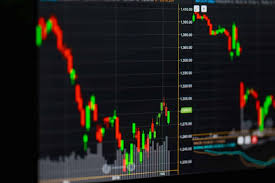
Forex trading investment offers an exciting opportunity for individuals to engage in the dynamic world of currency trading. With the potential for significant profits, many investors are drawn to this market. Whether you’re a beginner or an experienced trader, understanding the intricacies of forex trading is essential. In this article, we’ll explore the key aspects of this market, including strategies, tools, and the importance of selecting the right trading platform. For those interested in a halal investment approach, forex trading investment Best Islamic Trading can be a great option.
Understanding Forex Trading
Forex, or foreign exchange, is the largest financial market in the world, with a daily trading volume exceeding $6 trillion. Unlike stock markets, which operate during specific hours, forex trading occurs 24 hours a day, five days a week, allowing traders to capitalize on global events and news fluctuations in real-time.
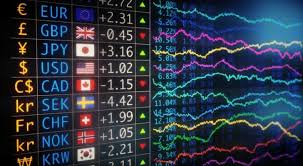
The forex market involves trading currency pairs, where one currency is exchanged for another. Major currency pairs include EUR/USD, GBP/USD, and USD/JPY, among others. Understanding these pairs and their movements is crucial for effective trading.
Why Invest in Forex?
There are several reasons why individuals choose to invest in forex:
1. **Liquidity**: The forex market is known for its high liquidity, meaning that traders can enter and exit positions quickly without affecting the market price significantly.
2. **Leverage**: Forex brokers often provide significant leverage, allowing traders to control larger positions with a smaller amount of capital. This can amplify profits, although it also increases risk.
3. **Accessibility**: With the rise of online trading platforms, individuals can access forex markets from anywhere in the world, using their computers or mobile devices.
4. **Diverse Opportunities**: Different currency pairs respond to various economic events, providing a multitude of trading opportunities daily.
Fundamental Analysis in Forex Trading
To succeed in forex trading, it is essential to perform thorough fundamental analysis. This involves examining economic indicators, political events, and market trends that can impact currency values. Key indicators include:
- **Interest Rates**: Central banks influence currency values through interest rate changes. Higher interest rates typically attract foreign capital, pushing the currency value up.
- **Economic Growth**: A country’s economic performance, often measured by GDP growth, affects its currency strength. Strong economic growth can lead to currency appreciation.
- **Inflation Rates**: Inflation directly influences purchasing power and can lead to currency depreciation if it rises too quickly.
Staying informed about current events and using an economic calendar can help you anticipate market moves and make informed trading decisions.
Technical Analysis in Forex Trading
In addition to fundamental analysis, many traders rely on technical analysis to predict future price movements based on historical data. This involves utilizing charts and various indicators, such as:
- **Moving Averages**: Useful for smoothing out price data to identify the direction of the trend.
- **Relative Strength Index (RSI)**: Measures the speed and change of price movements, helping to identify overbought or oversold conditions.
- **Fibonacci Retracement Levels**: Used to identify potential reversal levels based on the Fibonacci sequence, assisting traders in setting price targets.
Learning how to read and interpret charts is a valuable skill in forex trading, enabling traders to make data-driven decisions.
Developing a Trading Strategy
Having a robust trading strategy is vital for success in forex trading. Your strategy should encompass:
1. **Risk Management**: Determine the amount of capital you are willing to risk on each trade and set stop-loss orders to limit potential losses.
2. **Trade Execution Plan**: Decide on entry and exit points based on your analysis. It’s essential to stick to your plan and not deviate based on emotions.
3. **Review and Adaptation**: Regularly assess your trading performance and adjust your strategy accordingly. Keeping a trading journal can help you track successes and areas for improvement.
Choosing the Right Trading Platform
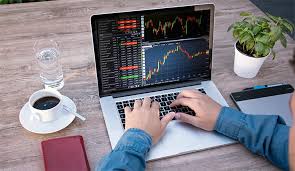
Selecting a reliable trading platform is a critical step for forex investors. Look for platforms that offer:
- **User-friendly Interface**: Navigating the platform should be intuitive, especially for beginners.
- **Access to Tools**: Ensure the platform provides necessary analytical tools, charting options, and indicators.
- **Regulatory Compliance**: Choose a broker that’s regulated by a recognized authority to ensure your investments are protected.
- **Customer Support**: Reliable and accessible customer support can be invaluable, especially when facing technical issues or needing assistance.
Staying Educated and Informed
The forex market is constantly evolving, and it’s essential to stay updated with the latest trends and news. Engaging in continuous learning through courses, webinars, and trading communities can greatly enhance your trading skills.
Consider following influential traders, reading market analyses, and utilizing demo accounts to practice without risking real money. This hands-on approach can aid in building confidence and refining your trading strategies.
Conclusion
Forex trading investment presents captivating opportunities for those willing to put in the time and effort to learn. By understanding fundamental and technical analysis, developing a solid strategy, and choosing the right platform, you can increase your chances of success in this competitive market. Remember that trading involves risks and it’s crucial to trade wisely and only invest what you can afford to lose. By staying informed and continuously educating yourself, you can navigate the complexities of forex trading with greater confidence.