
Understanding OFAC Sanctions: A Comprehensive Overview of Affected Countries
The Office of Foreign Assets Control (OFAC) imposes sanctions to further U.S. foreign policy and national security objectives. The OFAC sanctions list countries https://reyman.net/pages/ofac-sanctions-list-countries-full-guide.html includes nations that face various restrictions, impacting trade, finance, and international relations.
What Are OFAC Sanctions?
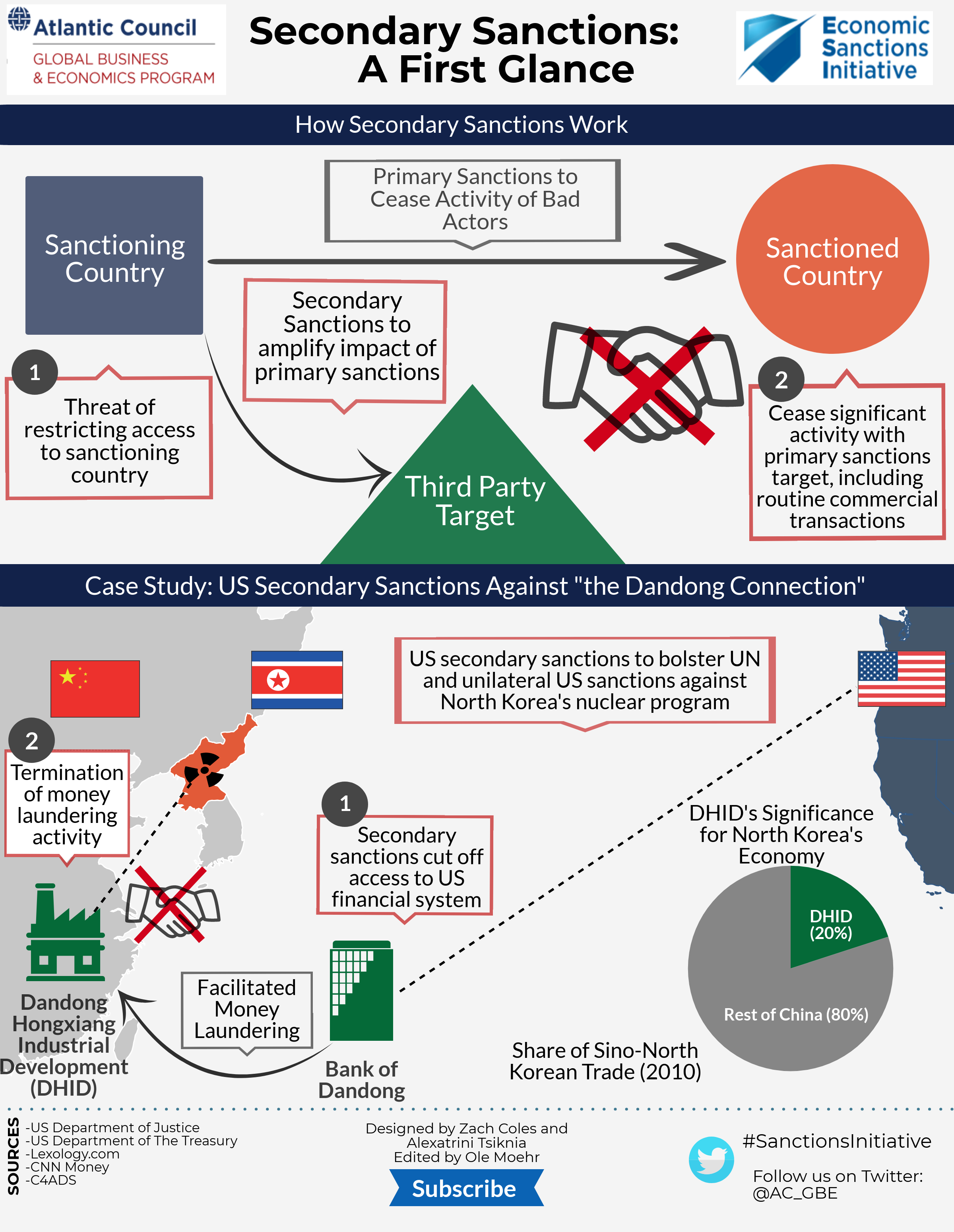
OFAC sanctions are measures imposed by the U.S. Department of the Treasury aimed at preventing transactions and trade with certain countries, entities, and individuals. These sanctions can be unilateral, where the U.S. acts independently, or multilateral, involving cooperation with other nations. The objective behind these actions often includes addressing threats such as terrorism, drug trafficking, and human rights violations.

Legal Basis for OFAC Sanctions
Sanctions are generally based on laws such as the International Emergency Economic Powers Act (IEEPA) and the Trading with the Enemy Act (TWEA). Each sanction is a response to specific geopolitical events or concerns, which are regularly reviewed and updated. Compliance with these regulations is crucial for individuals and businesses operating in or with affected countries.
Categories of Sanctions
OFAC sanctions can be broadly classified into several categories:
- Comprehensive Sanctions: These are blanket prohibitions against all transactions involving a particular country, like North Korea.
- Targeted Sanctions: These focus on specific individuals or entities within a country, enabling more nuanced foreign policy responses.
- Sectoral Sanctions: These limit certain sectors of the economy, such as finance or energy, while allowing other types of transactions.
- Specially Designated Nationals (SDN): Individuals and businesses on this list are prohibited from engaging in any transactions with U.S. persons.
Countries Currently Sanctioned by OFAC
As of 2023, numerous countries are under various forms of OFAC sanctions. Key examples include:
- Iran: Sanctions are in place due to concerns over nuclear weapons development and support for terrorism.
- North Korea: Comprehensive sanctions are enforced due to its nuclear weapons program and violations of international laws.
- Syria: Sanctions address human rights abuses and the ongoing civil conflict.
- Russia: Targeted sanctions have been imposed due to its actions in Ukraine and alleged interference in U.S. elections.
- Venezuela:

Sanctions target the government and state-owned enterprises due to corruption and human rights issues.
Impact of OFAC Sanctions
The impact of these sanctions is significant and multifaceted:
- Economic Isolation: Countries under sanctions often experience downturns in their economies, as access to international markets and financial systems is restricted.
- Humanitarian Effects: While sanctions aim to pressure governments, they can inadvertently affect civilians, creating shortages of essential goods.
- International Relations: OFAC sanctions can strain diplomatic relations, complicating global cooperation on issues such as climate change and security.
Compliance and Legal Obligations
For U.S. businesses and individuals, understanding and complying with OFAC regulations is vital to avoid hefty fines and legal consequences. Organizations must implement comprehensive compliance programs that include:
- Screening Transactions: Regularly checking transactions against the OFAC sanctions list to ensure no prohibited activities occur.
- Training Employees: Educating staff about sanctions laws and the importance of compliance.
- Monitoring Changes: Keeping abreast of updates to the sanctions list and adapting practices accordingly.
Conclusion
OFAC sanctions represent a critical tool in U.S. foreign policy, with profound implications for the international community. Understanding these sanctions and their impact on affected countries is essential for businesses, policymakers, and citizens alike. As global dynamics evolve, staying informed and compliant will become increasingly important.